





 Send Inquiry
Portable Abrasive Recover System
Price 1650000 INR/ Unit
MOQ : 1 , , Unit
Portable Abrasive Recover System Specification
- Voltage
- 415 V
- Noise Level
- Below 80 dB
- Model No
- AR-VAC-P
- Operating Temperature
- 5C to 55C
- Cooling System
- Air Cooled
- Control System
- Push Button Control Panel
- Frequency
- 50 Hz
- Motor Power
- 3 HP (2.2 KW)
- Accuracy
- High Recovery Efficiency
- Production Capacity
- Up to 25 Kgs/min
- Power Rating
- 2.2 KW
- Connectivity Options
- Flexible Suction Hose
- Frame Type
- Rigid Steel Frame
- Machine Type
- Abrasive Reclaimer
- Drive
- Direct Drive
- Features
- Easy Mobility, Rapid Recovery, Low Maintenance, Durable Frame
- Product Type
- Portable Abrasive Recover System
- Technology
- Vacuum Recovery
- Power Source
- Electric
- Operating Type
- Automatic
- Power
- 3 HP
- Pressure
- Vacuum up to 0.8 bar
- Surface Treatment
- Powder Coated
- Dimension (L*W*H)
- 730 x 650 x 1200 mm
- Weight (kg)
- Approx. 90 kg
- Color
- Blue-Grey
- Usage & Applications
- Abrasive material recovery, grit recycling, industrial blasting operations
- Wheel Type
- Heavy Duty Swivel Wheels
- Hopper Capacity
- 50 Litres
- Recovery Hose Length
- 5 Mtr Standard (Customizable)
- Discharge Mode
- Manual Discharge
- Working Speed
- Variable depending on application
- Filtration
- Three Stage Filtration System
Portable Abrasive Recover System Trade Information
- Minimum Order Quantity
- 1 , , Unit
- Supply Ability
- 8 Units Per Week
- Delivery Time
- 4-6 Week
About Portable Abrasive Recover System
We have been recognized amongst the leading organization engaged in manufacturing and exporting Portable Abrasive Recover System. To manufacture this system we use superior grade mild steel and cast iron. Our quality inspectors check this system on construction and efficiency parameters to provide a defect free range to clients. Clients can obtain this Portable Abrasive Recover System in different power specifications as per their requirements.
Features:
- Easy installation
- Smooth mobility
- Longer service life
Efficient Abrasive Material Recovery
This system is specifically designed to recover and handle abrasive materials from industrial blasting operations, ensuring resources are reused and waste is minimized. Rapid recovery rates of up to 25 kgs per minute support high productivity environments, making abrasive recycling both economical and effective. The advanced vacuum technology maximizes material capture while maintaining high recovery efficiency.
Sturdy and Mobile Design
Featuring a powder-coated rigid steel frame and heavy-duty swivel wheels, the Portable Abrasive Recover System is built to resist demanding industrial conditions. Its compact structure and flexible suction hose enable easy movement and operation even in constrained spaces, while manual discharge allows controlled emptying. The robust construction enhances durability and ensures reliable performance, even during intensive use.
FAQs of Portable Abrasive Recover System:
Q: How does the three-stage filtration system in the Portable Abrasive Recover System work?
A: The three-stage filtration system is designed to separate abrasive particles from dust and debris during recovery. As the material moves through each stage, larger and finer contaminants are efficiently captured, ensuring only clean abrasives are recycled and airborne particulates are minimized. This enhances recovery accuracy and maintains a safe working environment.Q: What benefits does the variable working speed offer for different applications?
A: Variable working speed allows operators to adjust recovery rates based on the material type and specific application requirements. This flexibility optimizes the process for varying abrasive sizes and densities, improving operational efficiency and minimizing loss or contamination during reclamation.Q: When is manual discharge recommended within the operation process?
A: Manual discharge is most beneficial after the hopper reaches its 50-litre capacity or when switching between abrasive types. It provides controlled and safe material removal, ensuring efficiency and preventing overflow, especially during continuous industrial operation.Q: Where can the AR-VAC-P Portable Abrasive Recover System be used?
A: This machine is suitable for industrial sites such as factories, shipyards, steel plants, and blasting workshops across India. Its easy mobility and compact design make it ideal for spaces that require frequent relocation and utilization around different workstations.Q: What steps are involved in the abrasive recovery process with this equipment?
A: Start by connecting the recovery hose to the targeted workplace, power on the system via the control panel, and initiate vacuum recovery. The abrasive material is collected, filtered, and transferred into the hopper. When full, discharge is performed manually for subsequent recycling or disposal.Q: What are the main usage and application scenarios for this product?
A: Primary uses include abrasive material recovery, grit recycling, and support during industrial blasting operations. It is ideal for industries seeking resource conservation, cost reduction, and improved material handling due to its high recovery efficiency and rapid operation.Q: What are the key advantages of choosing this abrasive reclaimer?
A: The system provides rapid material recovery, high operational efficiency, easy mobility, and low maintenance. Its durable frame, quiet operation, and powder-coated finish ensure long-term reliability, while push button controls facilitate straightforward use for operators.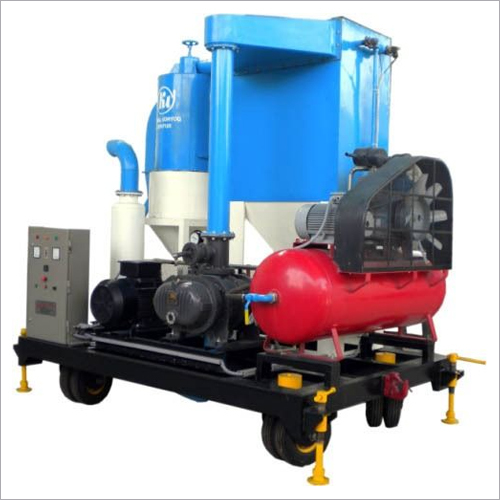
Tell us about your requirement

Price:
Quantity
Select Unit
- 50
- 100
- 200
- 250
- 500
- 1000+
Additional detail
Mobile number
Email

More Products in Portable Abrasive/Media Recovery System Category
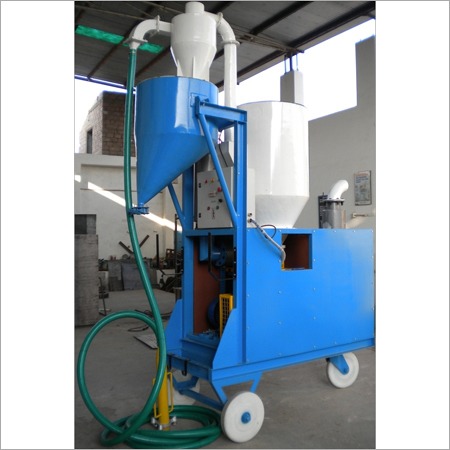
Media Recovery System
Price Range 650000.00 - 1450000.00 INR / Unit
Minimum Order Quantity : 1 , , Unit
Lubricating System : Centralized lubrication
Technology : Other, Advanced filtration and recycling
Cooling System : Air cooled
Control System : Other, PLC based

GST : 08AAPPG4490H1ZE
REGD. OFFICE : B-132/1, Krishna Nagar, New Pali Road,Jodhpur - 342005, Rajasthan, India
Phone :08071630600
 Send Inquiry
WORKS : J1 - 382 / 383, Sangariya Mini Growth Centre, Phase - II, JODHPUR - 342 005 (India)


 |
KUSHAL UDHYOG
All Rights Reserved.(Terms of Use) Developed and Managed by Infocom Network Private Limited. |
