





 Send Inquiry
Plastic Grit
Plastic Grit Specification
- Application
- Abrasive blasting, surface treatment, paint removal, cleaning
- Density
- 1.3 Gram per cubic centimeter(g/cm3)
- Surface Finish
- Matte to semi-gloss
- Hardness (%)
- Hardness range: 3.0 4.0 Mohs
- Water Absorption
- <0.1%
- Chemical Composition
- Thermoplastic polymer, free from hazardous heavy metals
- Purity(%)
- >99%
- Melting Point
- 180C 250C
- Usage & Applications
- Surface preparation, cleaning of molds, metal finishing, deflashing plastic or rubber components
- Form
- Grit, granules
- Product Type
- Synthetic abrasive media
- Shape
- Angular or irregular
- Porosity
- Non-porous
- Dimensional Stability
- High, retains shape during blasting
- Strength
- Moderate impact resistance
- Specific Gravity
- 1.0 1.5 g/cm
- Thermal Conductivity
- Low
- Color
- Black, grey, or multicolor
- Maximum Working Temperature
- 110C continuous use
- Bulk Density
- 0.75 1.1 g/cm
- Shelf Life
- >24 months if stored properly
- Flammability
- Self-extinguishing
- Grain Size
- 0.2 mm 2.0 mm
- Available Packaging
- 25 kg bags, 1000 kg jumbo bags
- Recyclability
- High, can be reused multiple cycles
- Toxicity
- Non-toxic
- Moisture Content
- <0.1%
Plastic Grit Trade Information
- Minimum Order Quantity
- 25 Kilograms, ,
- Supply Ability
- 1000 Kilograms, , Per Week
- Delivery Time
- 2 Week
About Plastic Grit
Plastic grit we deal in is an another soft medium, made from recycled as well as waste plastic. This is typically used to clean the surfaces and remove the old paint. It can perform its work without harming the substrate. The advantage of using Plastic grit are many. This is a non-toxic grit, which ensures zero damage of most substrates, such as fiberglass, aluminum and dense hardwoods. It can make zero harm to harm coatings, delicate components and gel-coats.
Efficient and Eco-Friendly Surface Treatment
Plastic Grit is engineered for abrasive blasting, delivering exceptional cleaning and surface preparation without hazardous chemicals. Its high purity and nonporous composition ensure minimal dust and consistent results, perfect for metal finishing and paint removal. Being highly recyclable, it can be reused multiple times, making it cost-effective and environmentally responsible for both large-scale manufacturing plants and small-scale processors.
Exceptional Durability and Performance
With a melting point of 180C 250C and stable performance at temperatures up to 110C during continuous use, Plastic Grit maintains its shape and abrasiveness throughout repeated cycles. Its moderate hardness and impact resistance make it safe for sensitive molds and components, while the matte to semi-gloss finish provides precise surface quality for subsequent coatings or finishing processes.
FAQs of Plastic Grit:
Q: How is Plastic Grit typically used in industrial applications?
A: Plastic Grit is primarily used for abrasive blasting, surface preparation, paint removal, cleaning molds, and deflashing plastic or rubber parts. It is suitable for use in blasting cabinets, pressure pots, and other surface treatment equipment.Q: What are the benefits of choosing Plastic Grit over traditional abrasive media?
A: Plastic Grit is non-toxic, highly recyclable, and free from hazardous heavy metals. It generates less dust and can be reused for multiple cycles, making it both a cost-effective and environmentally friendly choice for surface treatment compared to conventional abrasives.Q: When should I select Plastic Grit for surface preparation or cleaning?
A: You should choose Plastic Grit when you require moderate abrasive power without damaging sensitive surfaces, such as during the cleaning of injection molds, deflashing plastic or rubber parts, or removing coatings from delicate substrates.Q: Where can Plastic Grit be sourced and in what packaging options?
A: Plastic Grit is available worldwide, including India, through exporters, importers, manufacturers, suppliers, and traders. It comes in 25 kg standard bags or 1000 kg jumbo bags, suitable for both small and large operations.Q: What is the recommended process for reusing Plastic Grit after blasting?
A: After blasting, collect the used Plastic Grit, remove any contaminants or debris (typically with a sieve or air wash system), and inspect for degradation. The grit can be reused multiple times until it loses its angular edge or becomes powdery.Q: How should Plastic Grit be stored to maintain its quality and shelf life?
A: Store Plastic Grit in a dry, covered area, protected from moisture and extreme temperatures. Proper storage ensures a shelf life of over 24 months while maintaining its effectiveness and physical properties.Q: What surfaces and materials are best suited for plastic grit blasting?
A: Plastic Grit is ideal for cleaning molds, finishing metals, and deflashing plastic or rubber components. Its moderate hardness makes it safe for aluminum, composite materials, and other sensitive surfaces without causing excessive wear.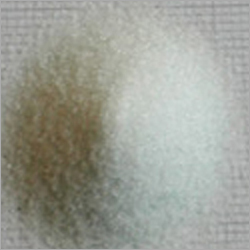

Price:
- 50
- 100
- 200
- 250
- 500
- 1000+

More Products in Abrasive Grit & Shots Category
Glass Bead Shots
Price Range 95.00 - 105.00 INR / Kilograms
Minimum Order Quantity : 25 Kg Kilograms
Color : White
Types of Refractories : Other
Shape : Other
Application : Abrasive Blasting
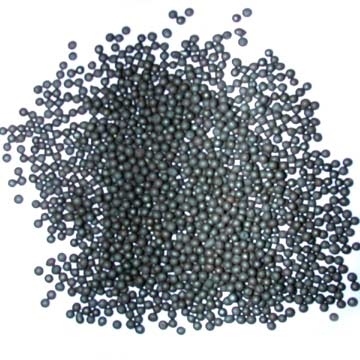
Chilled Iron Grit Shots
Price Range 58.00 - 70.00 INR / Kilograms
Minimum Order Quantity : 50 Kg Kilograms
Color : Black
Types of Refractories : Other
Shape : Other
Application : Abrasive Blasting
Wallnut Shell Grit
Minimum Order Quantity : 100 Kilograms
Color : Brown
Types of Refractories : Other
Shape : Granule
Application : Aerospace Parts Repairing

GST : 08AAPPG4490H1ZE
 Send Inquiry


 |
KUSHAL UDHYOG
All Rights Reserved.(Terms of Use) Developed and Managed by Infocom Network Private Limited. |
